
When Complexity Gets Lost in Diagnosis: Autism, ADHD & Neurodiversity

Lately, I’ve been questioning why the myriad of factors that contribute towards our mental, emotional, and physical health are so often overlooked. As an example, experiences of depression and anxiety are so often framed as neurobiological illnesses that require treatment - most often through altering the brain’s biochemical makeup with medication. Very rarely are environmental factors including: demographic, economic, life stressors, or the complex web of personal and social circumstances, explored or addressed to better understand the person’s symptoms.
In recent years, there has also been a massive increase in those who identify with neurodiverse labels - the biggest surge being with autism, ADHD, and those who identify with the combined label “AuDHD” (which is not a formal diagnostic category in the DSM). This term is often used to group together a wide variety of symptoms (each of which can have diverse and complex causes) under a single umbrella. I’m not questioning the existence or validity of autism or ADHD, and while receiving a diagnosis can be empowering for many, I’m concerned about how these broad diagnostic categories are increasingly being applied and interpreted in popular culture. I believe we need a deeper reflection on what has driven these expanding categories - how context, environment, and social meaning shape them so we can truly understand what we’re talking about and move beyond surface descriptions of behaviour.
I fully acknowledge that interventions that are offered as a result of a diagnosis are often life-saving and necessary. Sometimes it is the only way an individual can start to communicate their need for help, receive adequate accommodations, compassion and understanding. Yet it troubles me that, as a society, we feel the need to depend so heavily on labels - that without a formal diagnosis, people may struggle to access accommodations, validation or even basic compassion.

The Complexity of Labels
AuDHD is a label that is increasingly being used by people who experience a combination of autistic and ADHD traits, yet there’s still very little research exploring what it means to experience both autism and ADHD, how they overlap, or where they diverge. Most of the current conversation seems to be shaped less by research and clinical insight and more by TikTok, Instagram, and internet memes. Direct lived experience is important, but we also need to look at the root cause of behaviours, including the awareness that certain behaviours might also be a response to challenging or overstimulating environments. It seemed that we’ve ended up grouping a wide range of emotions, behaviours, patterns, and responses - many of which are nuanced and complex - under single, overly broad labels. This also includes conflating innate temperament traits, such as high sensitivity, with clinical diagnoses. This lack of precision has real consequences: it blurs important distinctions that need to be made in terms of root causes and can lead to misdiagnosis and inappropriate or ineffective support.
A good example of how we’re grouping together behaviours (which have diverse and complex causes) under a single umbrella is what are commonly known as ‘stimming’ behaviours, which can include things like nail-biting, hair-twirling or finger tapping. These are often shared on social media platforms as signs or symptoms of autism or ADHD. While that can sometimes be true, these behaviours can also stem from many other causes. For example, someone who isn’t autistic might engage in these behaviours because they’re experiencing anxiety, trauma, or because they have excess energy in their nervous system that needs to be released. When we don’t seek to understand what the root causes of certain behaviours are, we risk overlooking how trauma and environmental stressors can interact with or mimic neurodevelopmental patterns. My point is not to deny the validity of stimming behaviours, but to highlight the importance of not overgeneralising behaviours without contextual understanding.
Understanding, Not Fixing
I read a post recently that said, ‘autism isn’t something to be fixed’ and it is a superpower. I agree that, for many, autism can come with great gifts, and yet, there are also those who are suffering greatly, which I’ve witnessed firsthand through my work with children who are diagnosed with autism, dyslexia, dyspraxia and physical disabilities. They don’t need to be fixed, but their suffering and daily struggles need to be understood and not minimised. If we can seek to explore the root causes of their symptoms, then there is real hope and potential to drastically reduce or transform the struggles they experience. I know many people find the AuDHD label incredibly meaningful and validating, and I respect that - my intention is not to deny anyone’s experience, but to question how we, as a society, are framing and responding to these experiences. Is it possible that it is much more nuanced than putting everyone into one board category?

The Power of Context and Change
As an example, there is now a huge amount of research in the areas of epigenetics, neuroplasticity and intergenerational trauma that concludes that the neural networks in our brains and our neurochemistry are not fixed, but they are malleable and flexible; we are constantly in relationship and responding to the environment. This research highlights that context and experience shape our brains in profound ways. As Daniel Siegel says, we are ‘verb-like states’ rather than fixed nouns. This research on neuroplasticity and epigenetics highlights just how dynamic our brains truly are - always adapting to experience, relationship, and environment. Yet, much of the current conversation around neurodivergence seems to forget this and when we treat neurodevelopmental labels as fixed categories rather than evolving patterns of behaviour, we risk the labels being used to limit one’s potential.
The recent rise of the term AuDHD - used to describe people who identify with both autistic and ADHD traits - is a perfect example. While the concept often helps people find community and language for their experiences, it also reflects our cultural tendency to turn fluid, context-dependent processes into solid identities. If the brain is as flexible as the research suggests, then our diagnostic language needs to reflect this.
So, while medical treatment and diagnosis can be life-saving and validating, they can also narrow our perspective, reducing complex human experiences to labels that don’t always capture the whole story. The growing conversation around conditions like autism, ADHD, and AuDHD highlights both the value of recognition and the risk of oversimplification - especially when social and environmental factors are overlooked. Context matters and not every expression of distress or difference fits neatly into diagnostic categories. The research in neuroplasticity, epigenetics, and intergenerational trauma reinforces that we are dynamic, adaptable beings shaped by our environments and relationships. Recognising this interplay between biology and context opens the door to a more compassionate, nuanced, and holistic understanding of mental health and neurodiversity.
About the Author
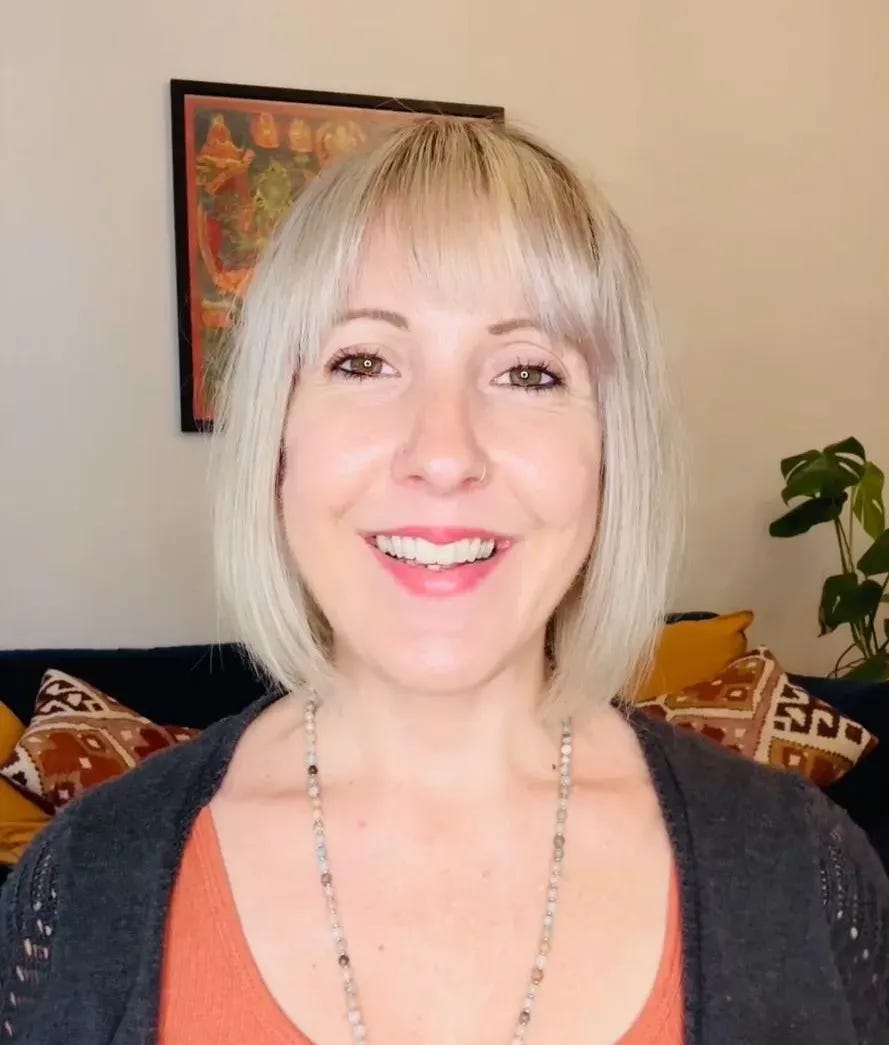
Jules De Vitto is a transpersonal coach, trainer, and experienced educator in the fields of psychology, coaching, therapy, and education. She holds a BSc in Psychology, an MA in Education, and an MSc in Transpersonal Psychology, Consciousness, and Spirituality. Jules specialises in guiding individuals through deep emotional and spiritual transformation, supporting them to align with their authentic power and life purpose. She is the founder of the Highly Sensitive Human Academy - a central hub that offers courses, coaching, articles and a podcast for Highly Sensitive People.
With a strong foundation in transpersonal approaches, Jules draws on integrative methods that honour the intersection of psychology, consciousness, and spiritual growth. She has completed Michael Harner’s Shamanic Practitioner Training through the Foundation of Shamanic Studies, as well as a Grief Ritual Leadership Training with Francis Weller. Her work is rooted in years of personal and professional engagement with transformative healing modalities.
Jules is also a published author, contributing to the Resilience book series with her title Navigating Loss in a Time of Crisis. Her writing has been published in peer-reviewed journals such as the Transpersonal Coaching Psychology Journal and the Journal of Consciousness, Spirituality, and Transpersonal Psychology, and via platforms including SAND (Science and Nonduality) and Highly Sensitive Refuge. She has been invited to speak on numerous podcasts and events on topics including transpersonal coaching, spiritual development, and emotional transformation.
In addition to her writing and coaching, Jules works on the Alef Trust Faculty as part of the 1-year certificate in Transpersonal Coaching Psychology and is the senior editor of the Transpersonal Coaching Psychology Journal and continues to contribute to the field through teaching and writing.